









The Dragonfly Tea guide to sipping your way through that hangover. Find out which teas are best for soothing your morning-after symptoms.

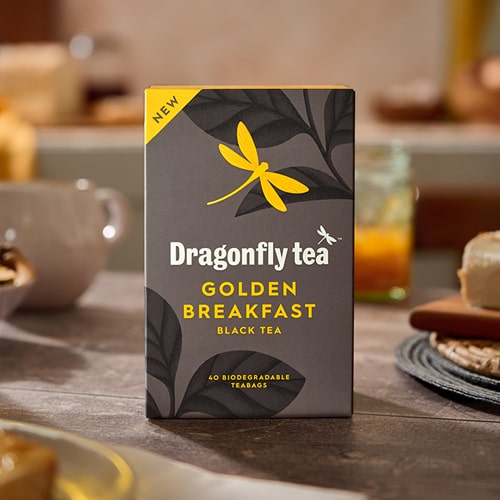
Reviving, moreish and truly satisfying. A celebration of the flavours and deep traditions that make for your favourite breakfast blend.

Our new Digestive Chai Pu’er is a warming treat for your gut, perfect anytime and especially after a heavy meal.
POPULAR
Our Teas
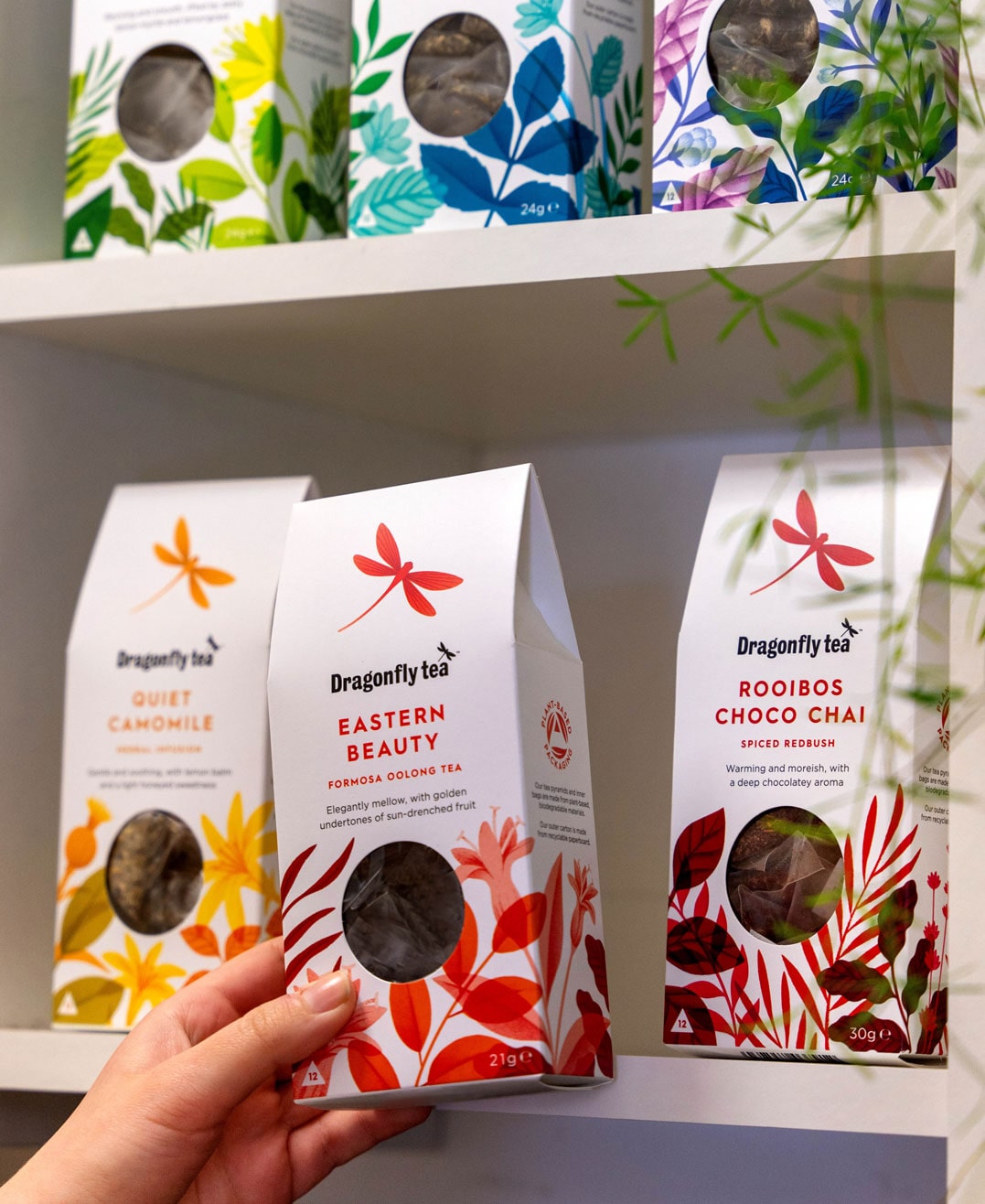
Discover our carefully selected tisanes from classics like peppermint and camomile, to the more exotic cardamom and turmeric blends.


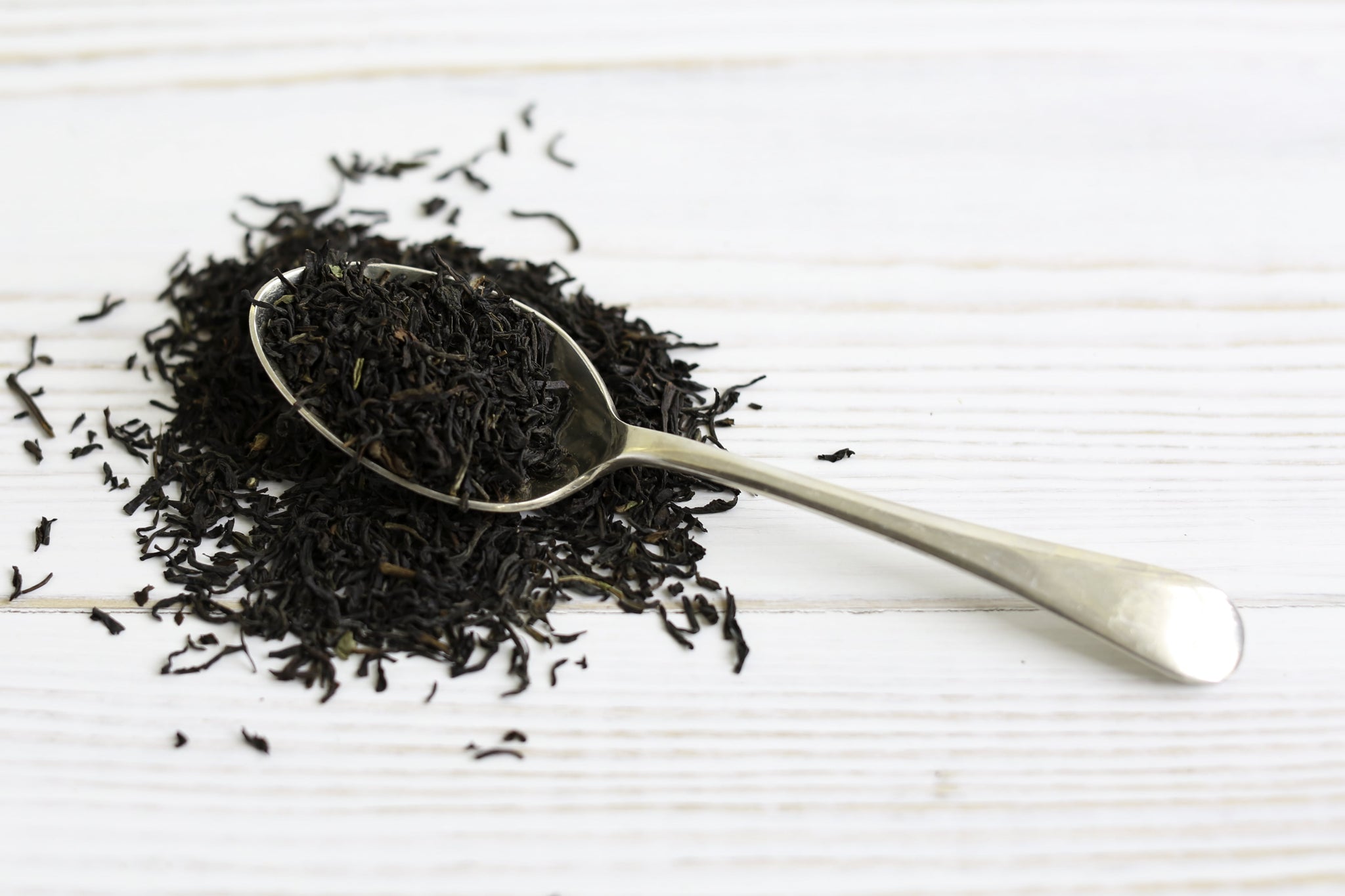
From full Assams to honeyed Darjeelings, the true champions of British tea culture.

Carefully fermented and prized for its reputed health benefits, Pu’er is unique amongst teas.

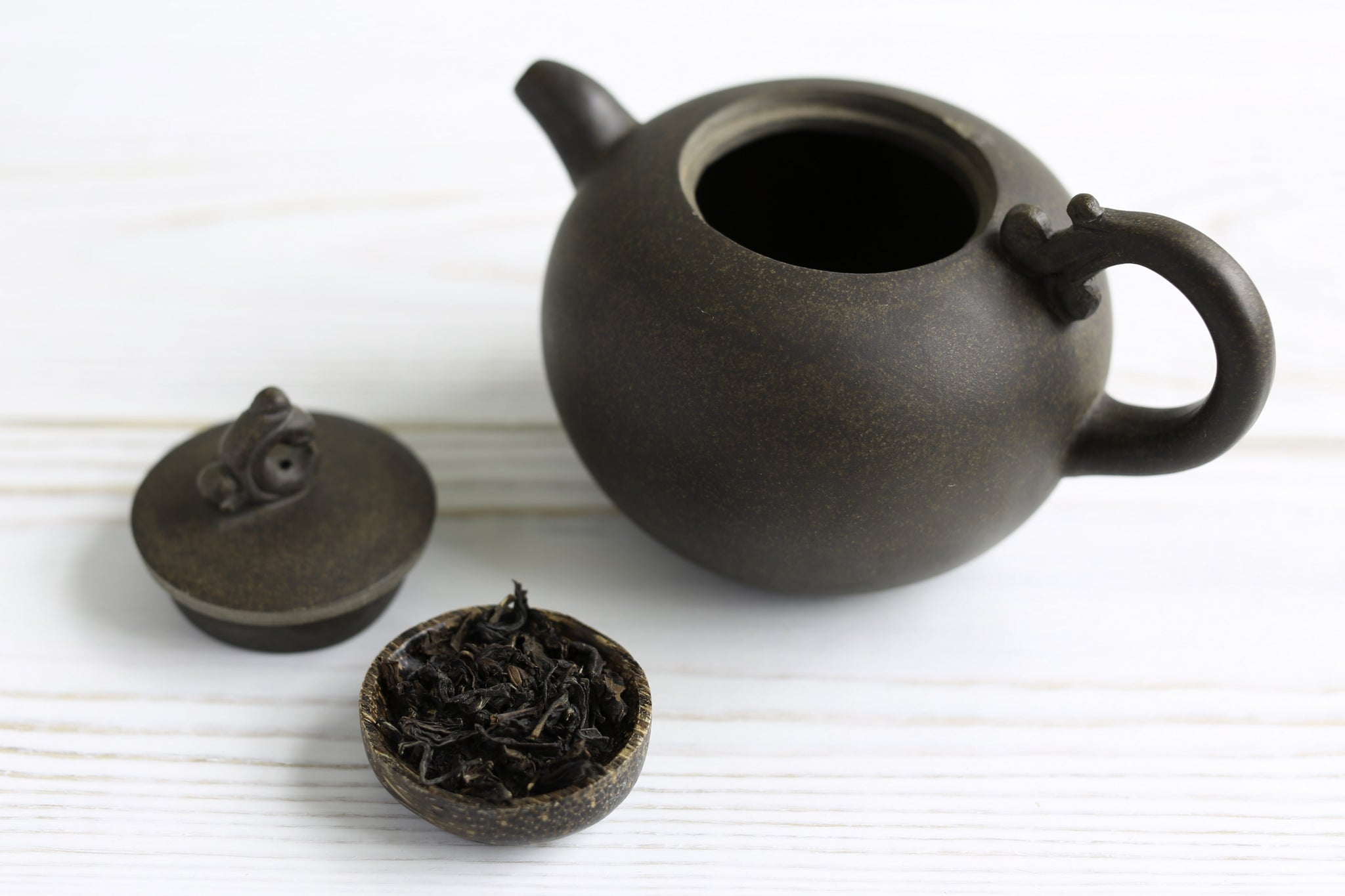
Soft and fragrant, green tea perfectly scented with freshly picked jasmine blossom.



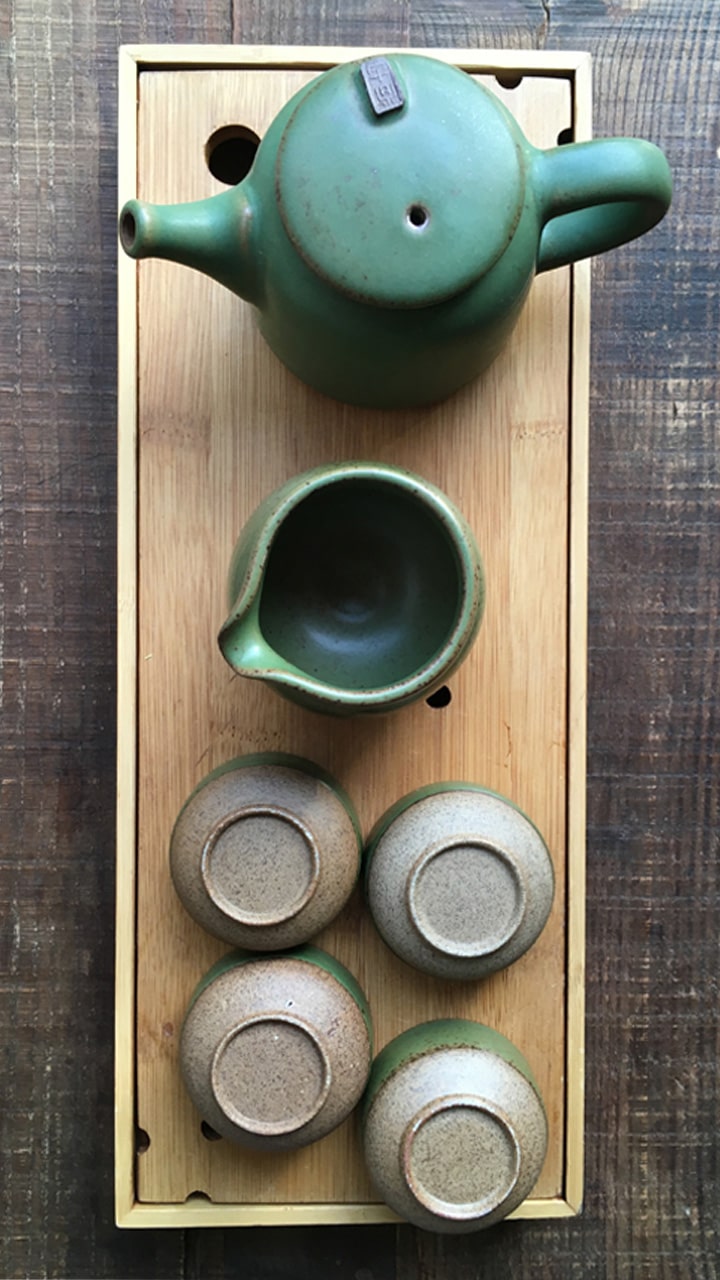
A look into the ritual of ‘slow tea’ by Dragonfly Tea founder, Bruce Ginsberg.
From the earliest days, tea-drinking in eastern cultures has been associated with people in contemplation.
Where to find your Dragonfly...





Read Dragonfly's latest news and updates


The Dragonfly Tea guide to sipping your way through that hangover. Find out which teas are best for soothing your morning-after symptoms.

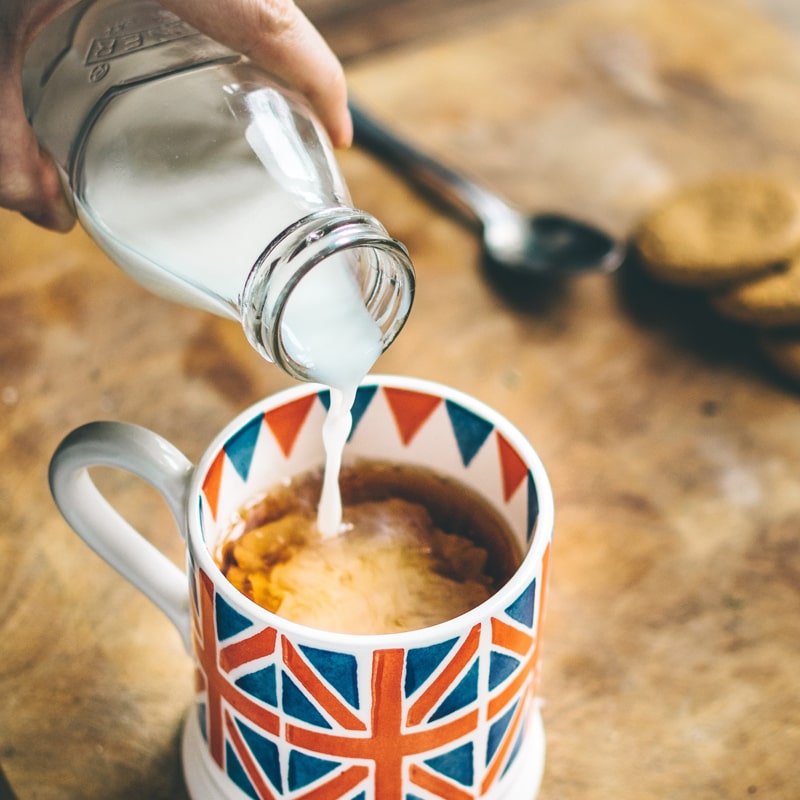
The classic English Breakfast tea has been enjoyed for decades for its comforting, smooth taste. We're taking a look at what makes this delicious tea so special.

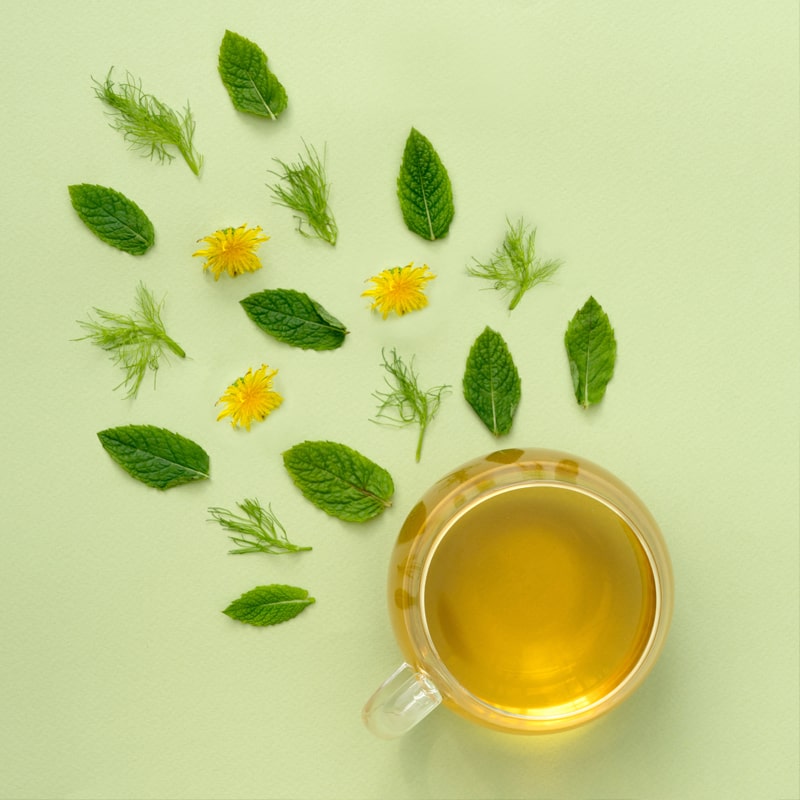
Explore the many wellbeing and health benefits of drinking herbal tea and find out what makes herbal tea a great 'true tea' alternative here.


Discover 20 reasons to love Dragonfly Tea, from our passion for tea culture to plastic free teabags and tea mindfulness.


Pulp…tea? Dragonfly Tea x Pulp: Here’s the lowdown on how this unexpectedly marvellous collaboration came to be.

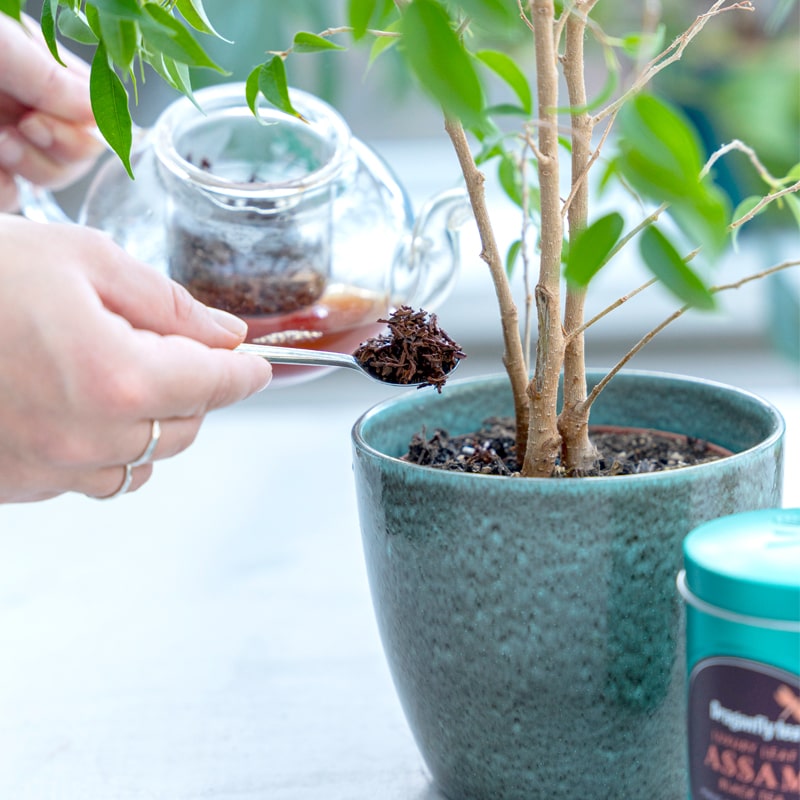
The Definitive Dragonfly Tea Guide to Enriching Soil and Nourishing Plants with Tea. In this article, we’ll tell you exactly what to do after drinking your cuppa to minimise waste.


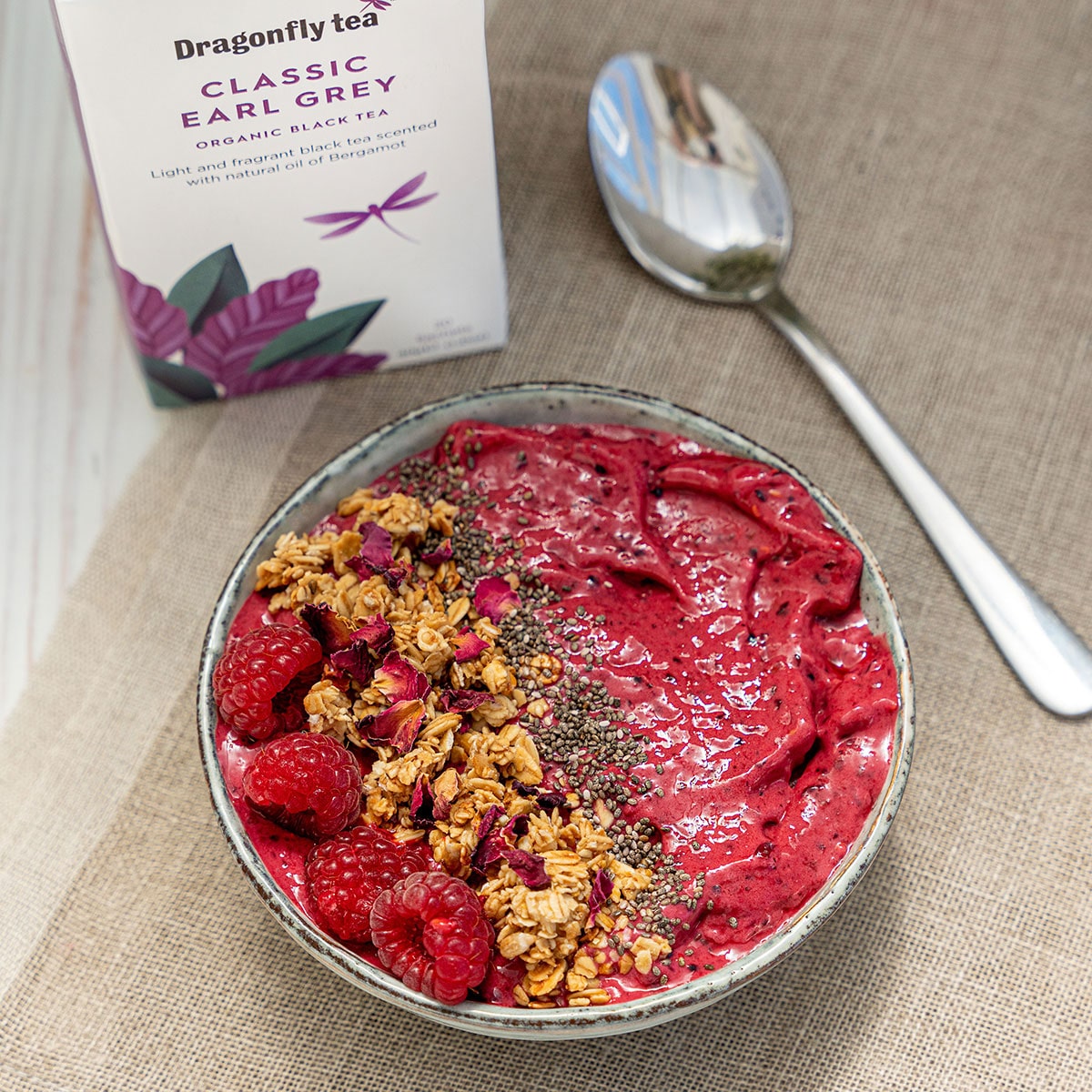
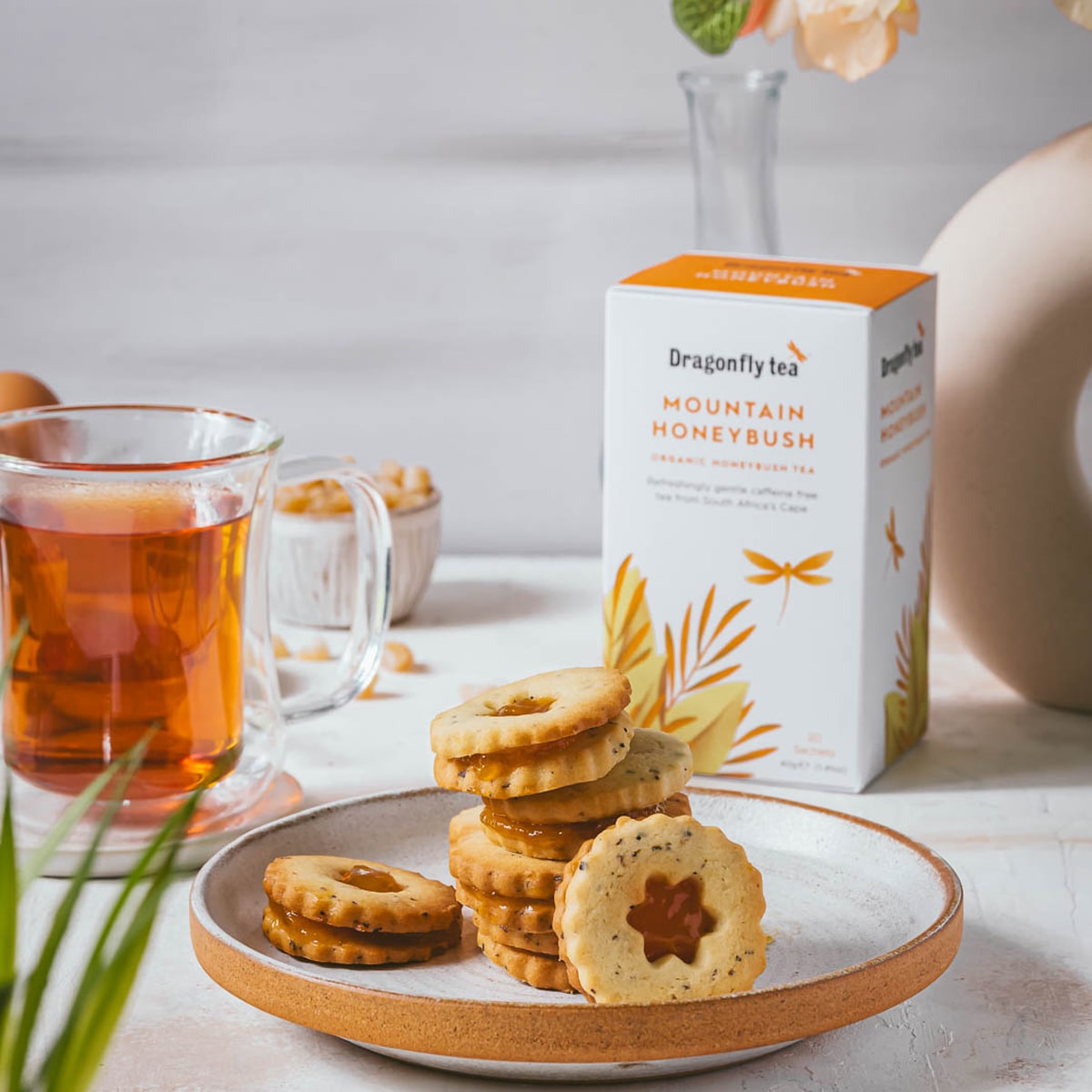
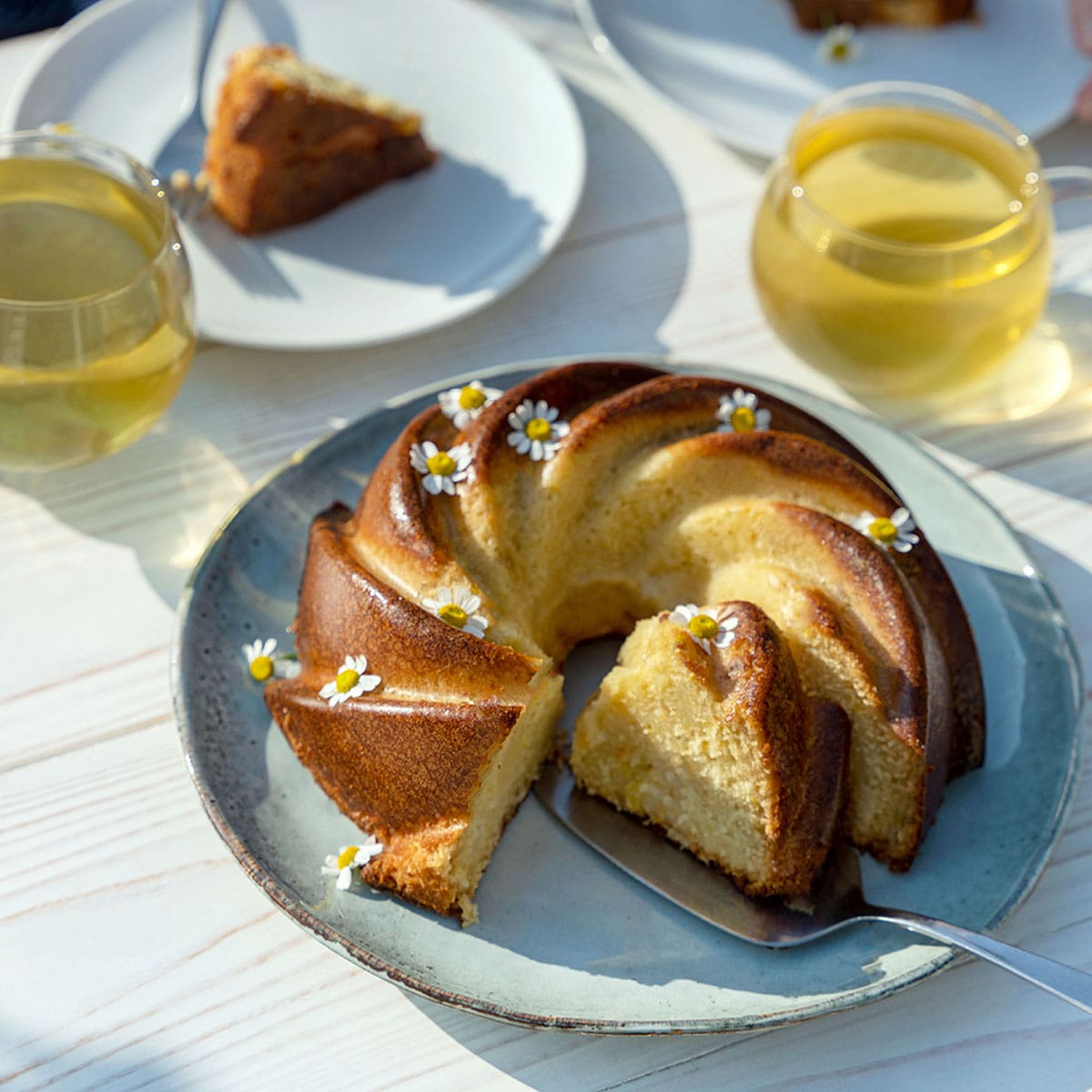
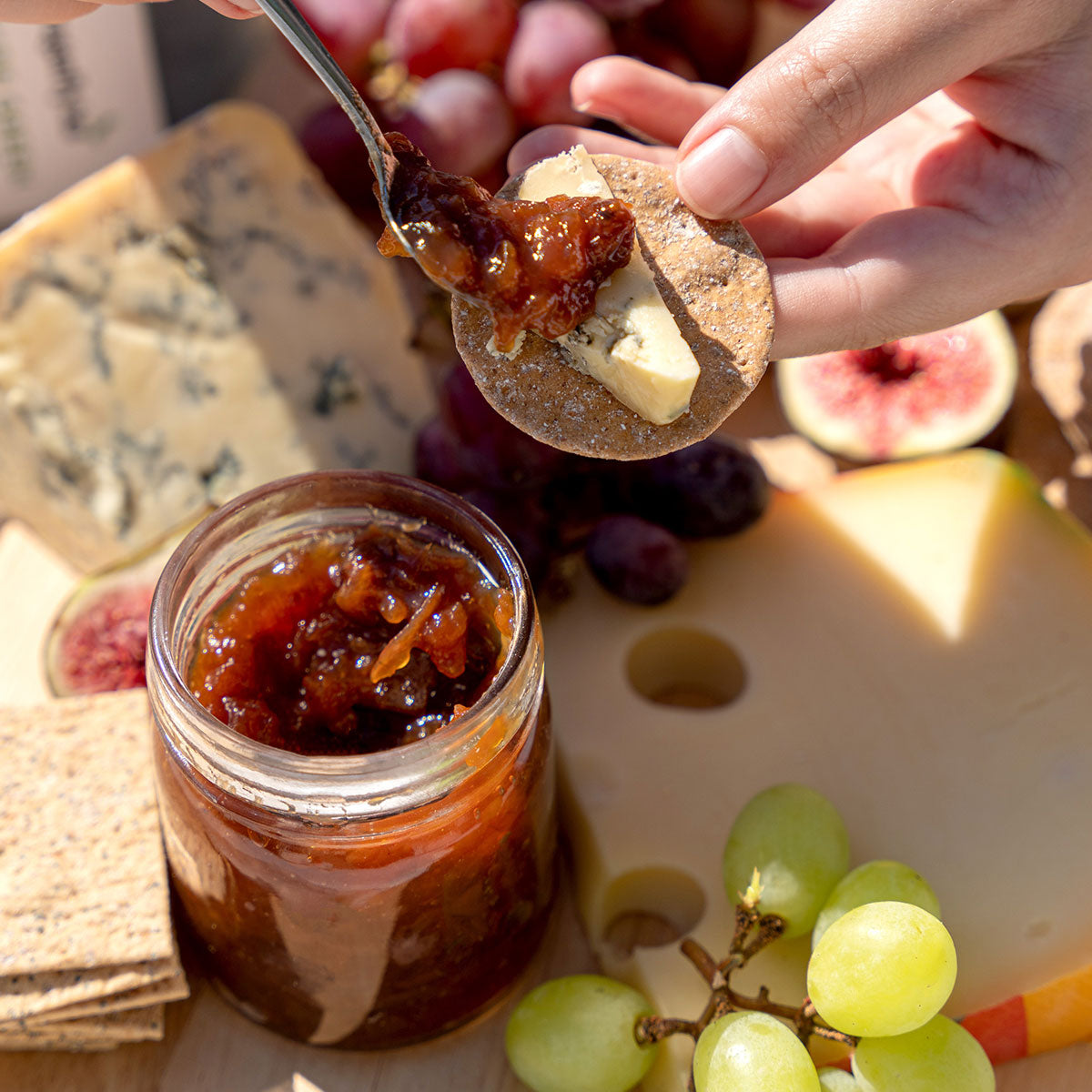
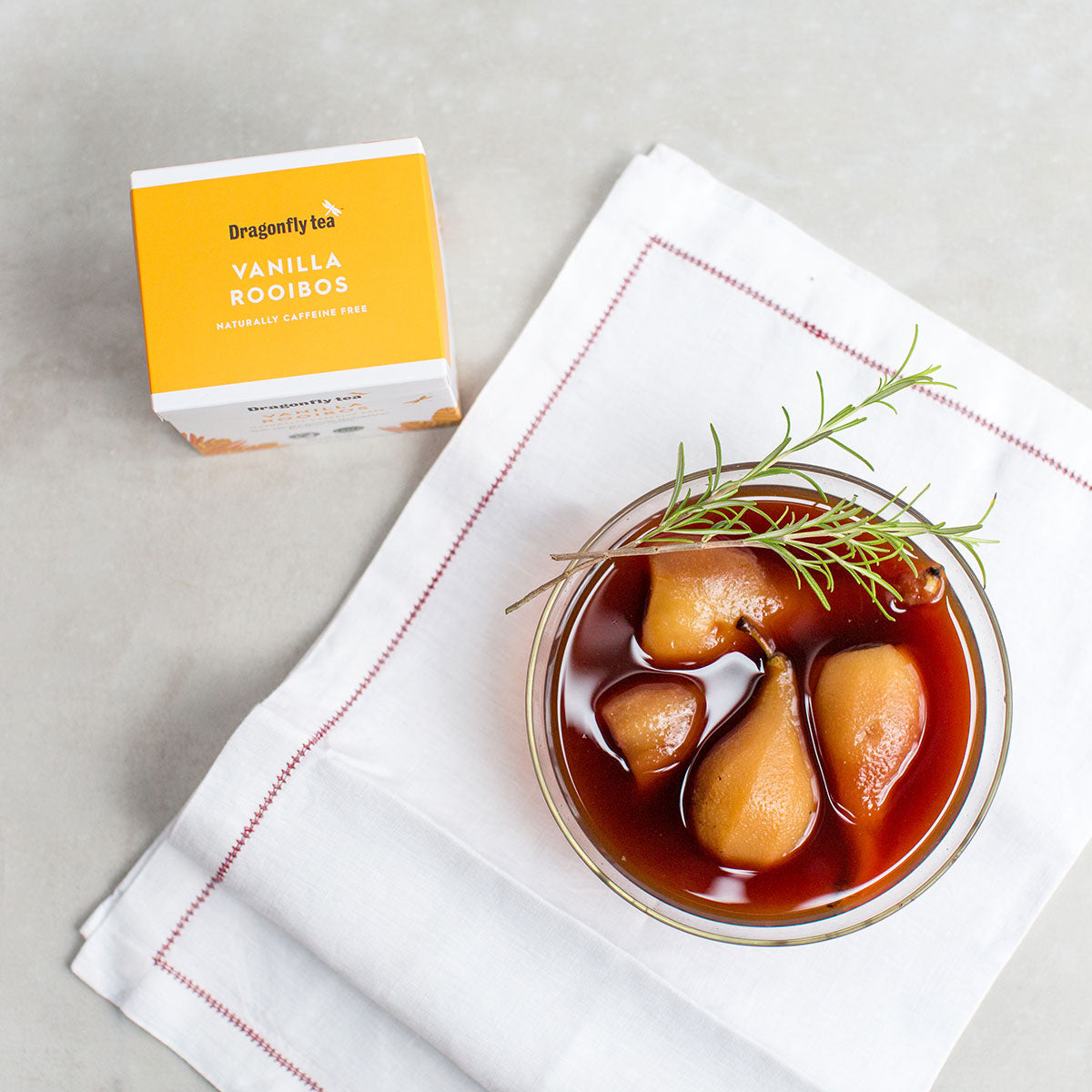
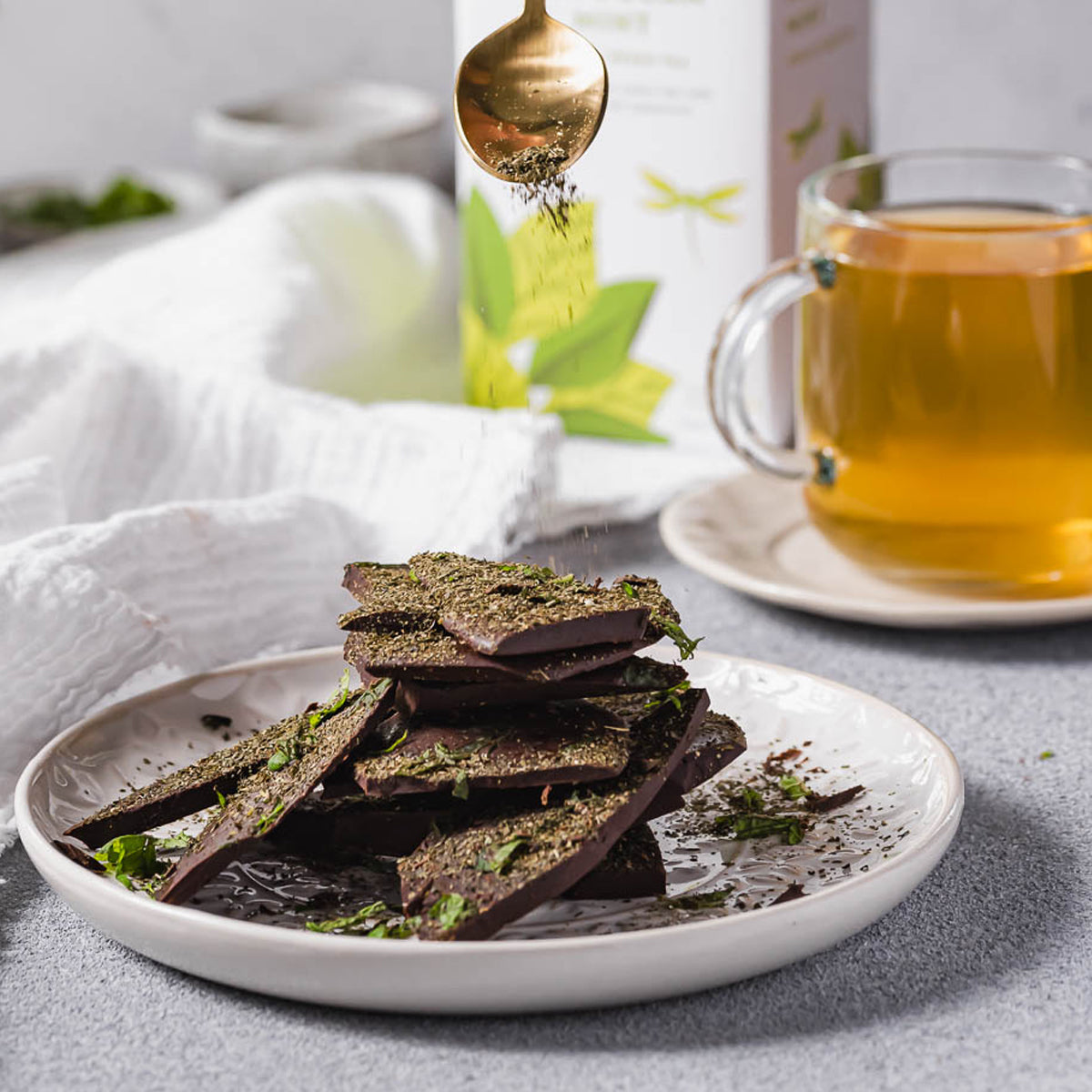
Tea isn't just for sipping. From cakes, to cocktails and savoury dishes, tea can add subtle and delicious new flavours and aromas to all sorts of recipes. Let your creativity take flight!